# 為你的 Android 應用程式新增啟動畫面(Splash Screen)
> 學習如何為你的 Android 應用程式新增啟動畫面。
 ## 概覽
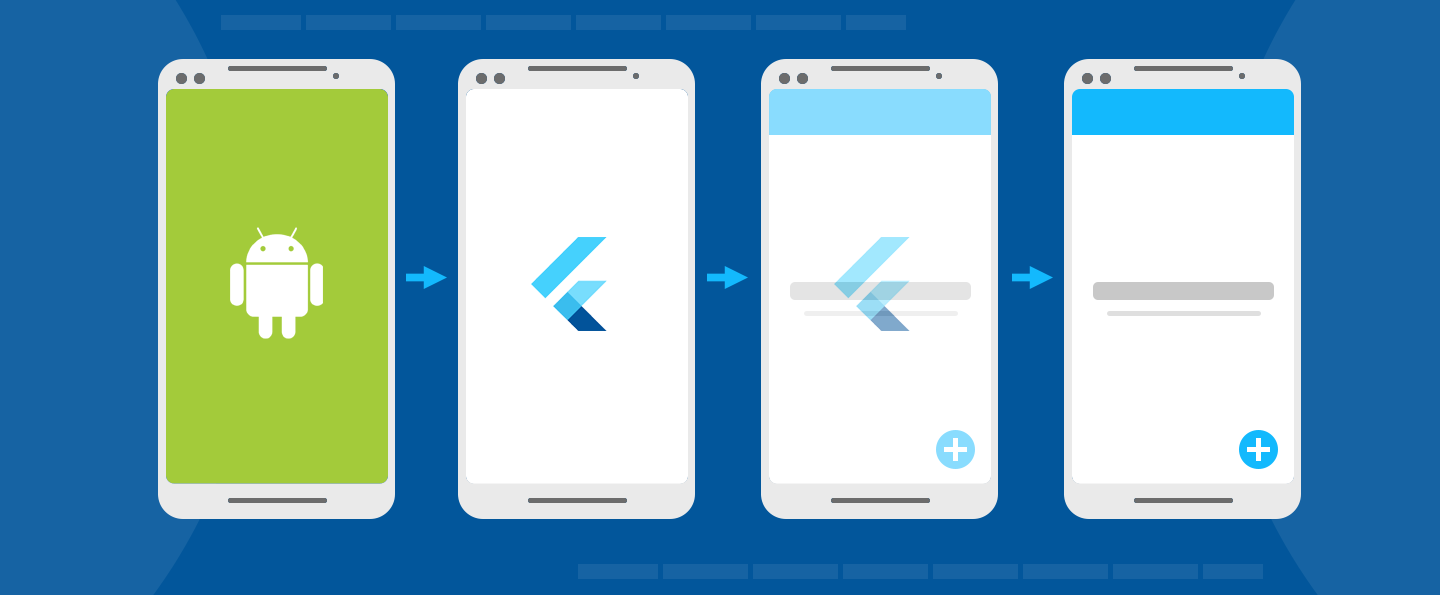
啟動畫面(Splash screen,也稱為啟動畫面)在你的 Android 應用程式載入時,提供一個簡單的初始體驗。它為你的應用程式營造開場氛圍,同時讓應用程式引擎有時間載入並初始化你的應用程式。
你有幾種方式可以實作啟動畫面:
1. 你可以使用 [pub.dev][pub.dev] 上提供的套件之一。
2. 你也可以像 [splash screen sample app][splash screen sample app] 範例中那樣手動實作。本頁後續將以手動實作為前提進行說明。
[pub.dev]: https://pub.dev/packages?q=splash+screen
[splash screen sample app]: https://github.com/flutter/samples/tree/main/android_splash_screen
## 初始化應用程式
每個 Android 應用程式在作業系統建立應用程式程序時,都需要一段初始化時間。Android 提供了 [launch screen][launch screen](啟動畫面)的概念,可以在應用程式初始化期間顯示 `Drawable`。
:::note
如果你的應用程式是在既有 Android 應用中嵌入一個或多個 Flutter 螢幕,建議考慮[預先啟動 `FlutterEngine`][pre-warming a `FlutterEngine`],並在整個應用程式中重複使用同一個引擎,以減少 Flutter 引擎初始化所需的等待時間。
:::
`Drawable` 是一種 Android 圖形資源。若想了解如何將 `Drawable` 新增至你的 Flutter 專案(在 Android Studio 中),請參考 Android 開發人員文件中的 [Import drawables into your project][drawables][drawables]。
Flutter 預設的專案範本已包含啟動主題與啟動背景的定義。你可以透過編輯 `styles.xml` 來自訂這些內容,在這裡你可以定義一個主題,並將其 `windowBackground` 設定為應顯示為啟動畫面的 `Drawable`。
```xml
```
此外,`styles.xml` 會定義一個 _normal theme_(一般主題),在啟動畫面結束後套用到 `FlutterActivity`。
一般主題的背景只會在啟動畫面(splash screen)消失後的極短暫時刻顯示,以及螢幕方向改變和 `Activity` 恢復期間顯示。
因此,建議一般主題使用與 Flutter UI 主要背景色相近的純色背景。
```xml
```
[drawables]: https://developer.android.com/studio/write/resource-manager#import
## 在 AndroidManifest.xml 中設定 FlutterActivity
在 `AndroidManifest.xml` 中,將 `FlutterActivity` 的 `theme` 設定為啟動畫面主題(launch theme)。然後,在指定的 `FlutterActivity` 中新增一個 metadata 元素,以指示 Flutter 在適當的時機,從啟動畫面主題切換到一般主題(normal theme)。
```xml
```
現在 Android 應用程式會在初始化期間顯示預期的啟動畫面。
## SplashScreen API
Android 12 引入了 [`SplashScreen`][`SplashScreen`] API。
請在你的 `styles.xml` 檔案中使用 `SplashScreen` API。
例如:
```xml
```
:::note
如果你的 Android 應用程式同時支援 Android 12 之前的版本 _以及_ Android 12 之後的版本,建議在你的 `styles.xml` 檔案中使用兩個不同的資源。另外,請確保你的背景圖片符合圖示設計指引。欲了解更多資訊,請參閱 [Android Splash Screens][Android Splash Screens]。
:::
[Android Splash Screens]: https://developer.android.com/develop/ui/views/launch/splash-screen
[`SplashScreen`]: https://developer.android.com/reference/android/window/SplashScreen
有些應用程式可能希望在 Flutter 中持續顯示 Android 啟動畫面的最後一幀。例如,這樣可以在 Dart 進行額外載入時,維持單一畫面的視覺連貫性。為了達成此目的,下列 Android API 可能會有所幫助:
```kotlin title="MainActivity.kt"
import android.os.Build
import android.os.Bundle
import androidx.core.view.WindowCompat
import io.flutter.embedding.android.FlutterActivity
class MainActivity : FlutterActivity() {
override fun onCreate(savedInstanceState: Bundle?) {
// Aligns the Flutter view vertically with the window.
WindowCompat.setDecorFitsSystemWindows(getWindow(), false)
if (Build.VERSION.SDK_INT >= Build.VERSION_CODES.S) {
// Disable the Android splash screen fade out animation to avoid
// a flicker before the similar frame is drawn in Flutter.
splashScreen.setOnExitAnimationListener { splashScreenView -> splashScreenView.remove() }
}
super.onCreate(savedInstanceState)
}
}
```
```java title="MainActivity.java"
import android.os.Build;
import android.os.Bundle;
import android.window.SplashScreenView;
import androidx.core.view.WindowCompat;
import io.flutter.embedding.android.FlutterActivity;
public class MainActivity extends FlutterActivity {
@Override
protected void onCreate(Bundle savedInstanceState) {
// Aligns the Flutter view vertically with the window.
WindowCompat.setDecorFitsSystemWindows(getWindow(), false);
if (Build.VERSION.SDK_INT >= Build.VERSION_CODES.S) {
// Disable the Android splash screen fade out animation to avoid
// a flicker before the similar frame is drawn in Flutter.
getSplashScreen()
.setOnExitAnimationListener(
(SplashScreenView splashScreenView) -> {
splashScreenView.remove();
});
}
super.onCreate(savedInstanceState);
}
}
```
接著,你可以在 Flutter 中重新實作第一個畫面,讓 Android 啟動畫面(launch screen)的元素在螢幕上的相同位置顯示。
相關範例請參考
[splash screen sample app][splash screen sample app]。
[launch screen]: https://developer.android.com/topic/performance/vitals/launch-time#themed
[pre-warming a `FlutterEngine`]: /add-to-app/android/add-flutter-fragment#using-a-pre-warmed-flutterengine